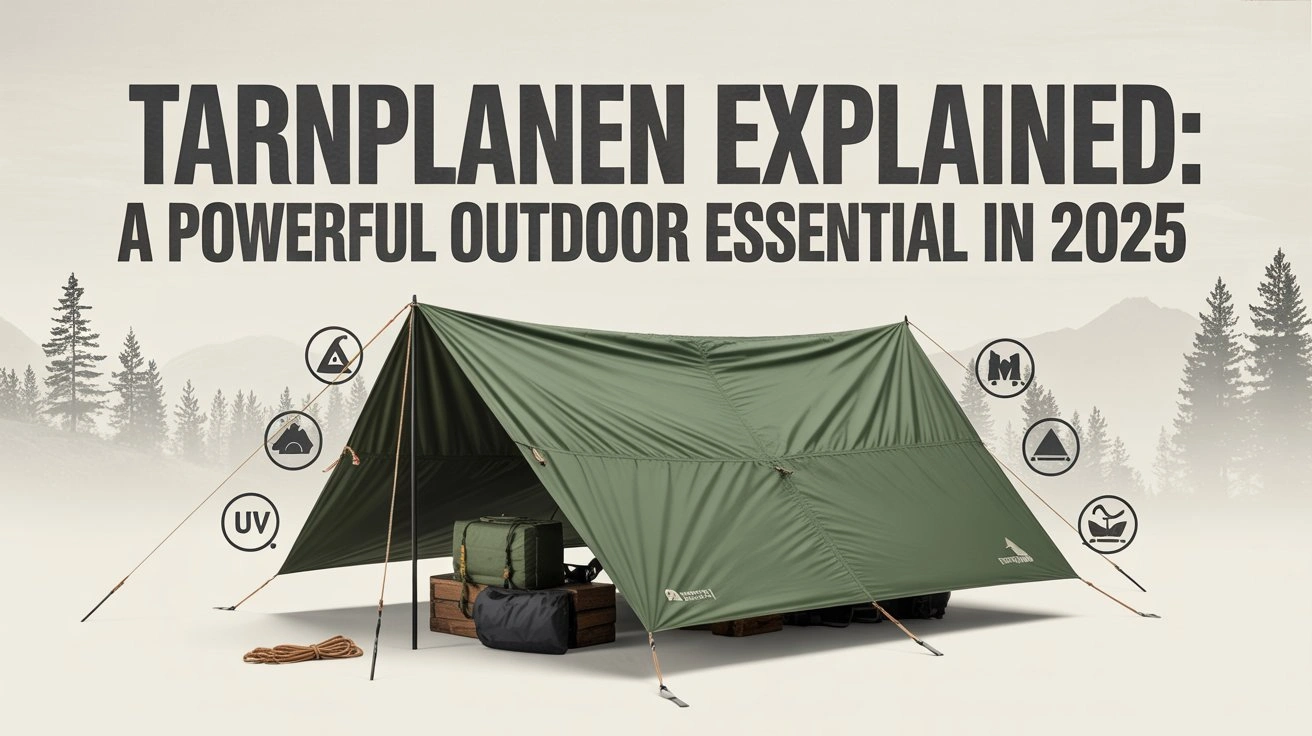
Tarnplanen Explained: A Powerful Outdoor Essential in 2025
Outdoor activities have changed significantly over the years. People now demand gear that is lightweight, durable, adaptable, and discreet. This growing demand has brought tarnplanen into the spotlight. These camouflage tarps are no longer limited to military use. Campers, survivalists, hunters, emergency planners, and even professionals now rely on them for shelter, concealment, and protection.
This guide explains everything you need to know, from meaning and materials to real-world use cases and practical setup techniques. The goal is simple: help you understand whether this tool fits your needs and how to use it effectively.
What Are Tarnplanen?
Tarnplanen are camouflage tarps designed to blend into natural or urban environments while providing reliable physical protection. The word comes from European terminology, where “tarn” refers to camouflage and “planen” refers to tarpaulins.
Unlike standard plastic sheets, these tarps are engineered for outdoor performance. They are built to reduce visibility, withstand harsh weather, and serve multiple functions at once. Most models are waterproof, wind-resistant, and reinforced for repeated use.
Why Tarnplanen Are Different from Regular Tarps
At first glance, they may look similar to ordinary tarps. However, the difference becomes clear once they are used outdoors.
Regular tarps focus on coverage. Tarnplanen focus on concealment and adaptability. The patterns are designed to break up outlines rather than simply cover objects. This makes them effective in forests, open fields, snow-covered terrain, and even urban settings.
They are also quieter in windy conditions and less reflective in sunlight, which is important when stealth matters.
Materials and Construction Quality
The performance of a camouflage tarp depends heavily on how it is made.
Fabric Types
Most tarnplanen are produced using ripstop polyester or nylon. These fabrics resist tearing while remaining relatively lightweight. Heavier versions may use coated canvas or reinforced synthetic blends for extended durability.
Protective Treatments
High-quality models are treated to resist water, UV damage, and mold. Some versions include fire-retardant coatings for emergency or professional use.
Structural Reinforcement
Corners and edges are often double-stitched. Metal or reinforced fabric eyelets allow secure anchoring without tearing, even under tension.
Key Benefits of Tarnplanen
Effective Visual Concealment
The primary benefit is camouflage. Natural patterns disrupt recognizable shapes, making shelters, gear, or supplies far less noticeable in the environment.
Reliable Weather Protection
These tarps block rain, wind, and direct sunlight. When properly set up, they provide dependable shelter in unpredictable weather conditions.
Multi-Purpose Functionality
One tarp can serve many roles. It can be used as a roof, ground cover, privacy screen, windbreak, equipment cover, or emergency shelter.
Easy Transport
Despite their strength, most models fold compactly and weigh little, making them suitable for backpacks, vehicles, or emergency kits.
Tactical and Survival Value
For professionals and preparedness-focused users, reduced visibility can provide a serious advantage in observation, training, or survival situations.
Common Real-World Applications
Outdoor Recreation
Campers and hikers often use these tarps as minimalist shelters or rain covers. They are especially popular among those practicing bushcraft or lightweight travel.
Hunting and Wildlife Observation
Hunters and photographers rely on camouflage to remain unnoticed. Tarnplanen allow them to observe wildlife without disturbing natural behavior.
Emergency Preparedness
In disasters or power outages, these tarps can be quickly deployed as temporary shelters or to protect supplies from exposure.
Professional and Tactical Use
They are widely used for concealing equipment, creating observation points, or setting up temporary workspaces in the field.
Civilian and Industrial Uses
Beyond outdoor activities, some people use them to protect tools, cover materials, or create shaded work areas in rural or semi-urban environments.
How to Choose the Right Tarnplanen
Selecting the right tarp depends on purpose and environment.
Environment Matching
Choose a pattern that matches where it will be used. Woodland patterns work best in forests, while lighter patterns suit dry or snowy terrain.
Size Considerations
Smaller tarps work well for personal shelters. Larger sizes are better for group setups or equipment coverage.
Weight and Thickness
Thicker materials last longer but add weight. Lightweight versions are easier to carry but require careful handling.
Additional Features
Look for reinforced corners, strong eyelets, and weather-resistant coatings if you expect repeated use.
How to Set Up Tarnplanen Effectively
Proper setup improves both protection and concealment.
First, select a location with natural cover such as trees or terrain variation. This enhances camouflage without extra effort.
Next, position the tarp to allow water runoff rather than pooling.
Secure it firmly using ropes or cords through reinforced points.
Finally, blend the edges with surrounding foliage to reduce visible straight lines.
This simple method works for shelters, screens, and gear covers alike.
Challenges and Limitations
Weight Balance
Durability often increases weight. Users must decide whether strength or portability matters more for their situation.
Pattern Mismatch
Using the wrong camouflage pattern can actually increase visibility instead of reducing it.
Wear Over Time
Repeated folding, UV exposure, and tension slowly degrade materials. Proper care is essential for long-term performance.
Regulatory Awareness
In some locations, camouflage equipment may attract attention or be restricted. Understanding local rules helps avoid issues.
Maintenance and Storage Tips
Clean the tarp after use to remove dirt and debris.
Allow it to dry fully before storage to prevent mildew.
Store it in a cool, shaded place.
Repair small tears early to avoid larger damage later.
Consistent care significantly extends lifespan.
Frequently Asked Questions
What is the main purpose of tarnplanen?
They are designed to provide shelter while reducing visibility in outdoor environments.
Are they suitable for everyday camping?
Yes, many campers prefer them due to flexibility and weather resistance.
Do they work in heavy rain?
Most high-quality versions are waterproof and perform well when correctly pitched.
Are they difficult to set up?
No, basic setups are simple and require minimal equipment.
How long do they last?
With proper care, a good tarp can last for many years.
Are they only for professionals?
No, they are widely used by civilians, hobbyists, and outdoor enthusiasts.
Conclusion
Tarnplanen have earned their place as one of the most versatile outdoor tools available today. Their ability to combine concealment, protection, and adaptability makes them valuable across many scenarios. Whether you are exploring nature, preparing for emergencies, or seeking reliable outdoor shelter, understanding how to choose and use one correctly can make a meaningful difference.