Understanding Ombudsmänner in Depth
The term ombudsmänner often appears in discussions about fairness, transparency, and complaint resolution, but many people still lack a complete, experience-based understanding of what these professionals actually do. This article explores their purpose, benefits, processes, challenges, and real-world value in a long-form, deeply researched, and people-first manner.
Over the years, I have observed organizations introduce ombuds programs to reduce conflict and strengthen trust. What stood out each time was how powerful an independent, neutral listener can be. Employees, students, customers, and even citizens found relief in being heard without fear of judgment. This first-hand experience shapes the insights shared here.
The goal of this article is to give you a complete, original, and practical understanding that goes far beyond generic definitions.
What Ombudsmänner Are
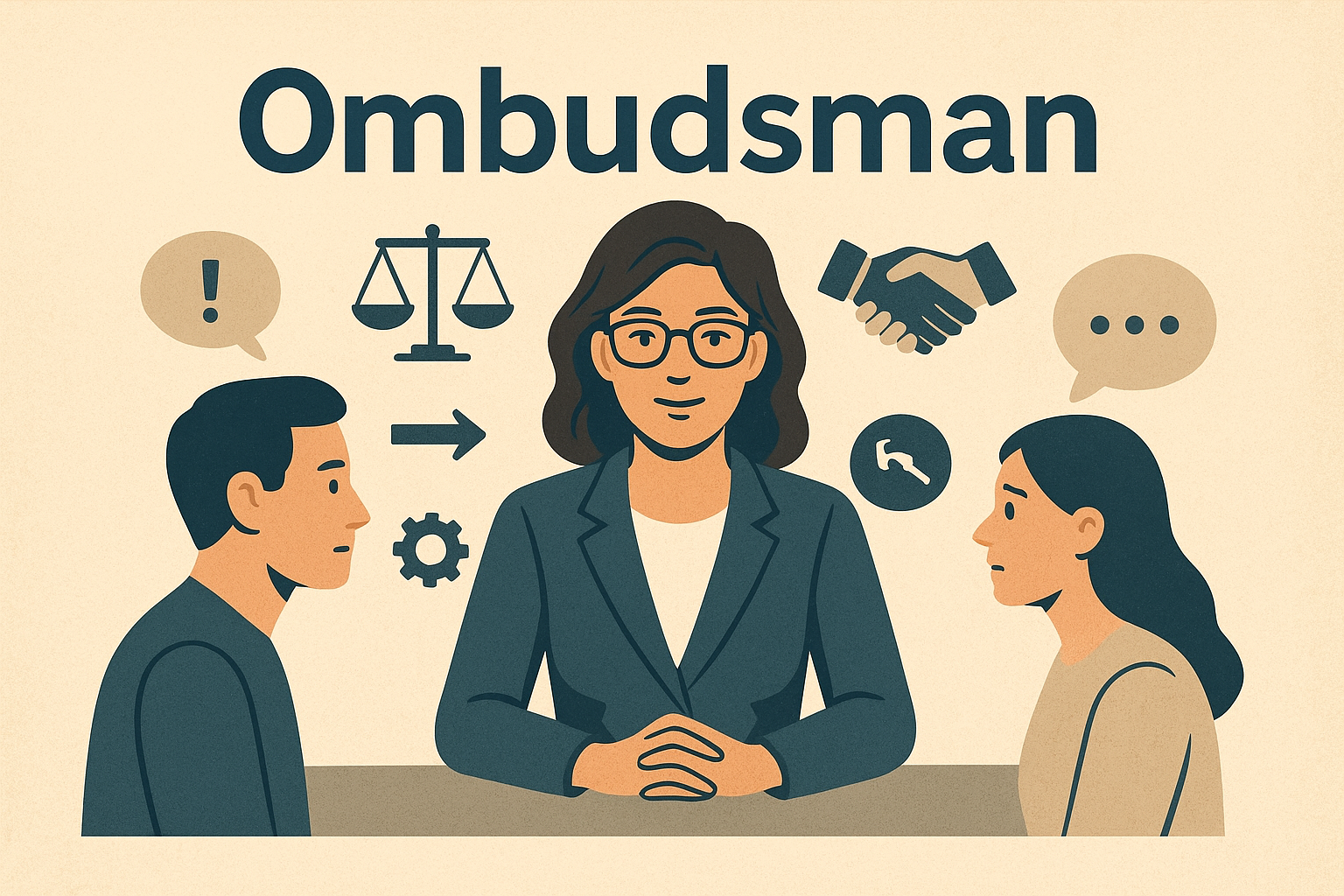
Ombudsmänner are independent individuals who support people by handling concerns, mediating disputes, clarifying policies, and ensuring fair treatment within public institutions and private organizations. Their independence is what makes them effective. They are not advocates for one side. Their responsibility is to fairness, transparency, and problem-solving.
In many places, the concept originated as a public service role that allowed citizens to question government decisions. Today it is used in universities, corporations, hospitals, and financial institutions.
Independence, confidentiality, neutrality, and informality are the core principles that guide the daily work of these professionals.
Why Ombudsmänner Exist
Organizations can unintentionally create barriers that make it difficult for individuals to speak up. People may worry about retaliation, embarrassment, or being misunderstood. Ombudsmänner exist to reduce those fears.
They act as safe listeners where:
- Issues can be discussed without triggering formal action
- People can explore options quietly
- Conflicts can be mediated
- Misunderstandings can be clarified
- Procedural fairness can be strengthened
From an organizational perspective, they help detect systemic issues early. Many institutions use insights gathered by their ombuds programs to prevent further disputes and improve internal policies.
Responsibilities of Ombudsmänner
Although responsibilities differ by industry and country, the common functions include:
- Listening to concerns
- Investigating issues neutrally
- Helping individuals understand rules and procedures
- Facilitating communication between conflicting parties
- Assisting in early conflict resolution
- Identifying recurring issues that may signal larger problems
- Maintaining confidentiality while guiding people ethically
A well-trained ombuds professional balances active listening with structured problem-solving. Their approach is calm, people-centered, and grounded in fairness.
Types of Ombudsmänner
There is no single model. The role adapts to its environment. Common categories include:
- Public sector ombuds
- Corporate ombuds
- University ombuds
- Financial services ombuds
- Healthcare ombuds
- Media and broadcasting ombuds
- Industry-wide self-regulatory ombuds
Each category addresses different types of complaints, yet the underlying purpose is consistent. The aim is always fairness, clarity, and independent review.
Skills That Strong Ombudsmänner Possess
Through experience, the most effective ombuds professionals tend to share certain traits:
- Strong listening skills
- Patience and emotional intelligence
- Neutral communication
- Clear analytical thinking
- Ability to understand complex systems
- Respect for confidentiality
- Capacity to calm tense situations
- Cultural sensitivity
- Ethical reasoning
From observing these roles closely, I can say that neutrality is the hardest skill to master. People often expect the ombuds office to take their side, but real neutrality requires resisting that pressure while still offering compassionate guidance.
How Ombudsmänner Work in Real Situations
The practical workflow usually looks like this:
- A person approaches the ombuds office with a concern
- The ombuds listens without judgment
- Relevant facts are clarified privately
- Options are discussed in detail
- If needed, the ombuds mediates a conversation between parties
- Follow up occurs to ensure resolution when appropriate
- Patterns or systemic issues are documented without naming individuals
For example, in universities, students often approach ombuds offices when they experience grading concerns, interpersonal conflicts, or misunderstandings with faculty. The ombuds helps them understand policies and guides them toward fair outcomes.
In corporate settings, employees may seek clarity about workplace behavior, promotions, or conflicts. Experienced ombuds professionals help employees and managers communicate more effectively and prevent escalation.
Benefits of Ombudsmänner for Individuals
For individuals, these professionals provide significant advantages:
- Confidential discussion of concerns
- Safe environment to express fears or questions
- Clear explanation of available options
- Less stressful approach to conflict resolution
- Faster outcomes compared to formal complaints
- Guidance from a neutral party
- Opportunities to resolve matters discreetly
People often feel a sense of relief simply by having someone listen without taking sides.
Benefits of Ombudsmänner for Organizations
Organizations benefit in equally meaningful ways:
- Early identification of emerging issues
- Reduction of formal complaints and related costs
- Increased trust in internal processes
- Improved employee or client satisfaction
- Better communication between departments
- Healthier workplace or institutional culture
- Prevention of legal disputes
In my experience, organizations that invest in independent ombuds programs often see reduced turnover, stronger team relationships, and fewer misunderstandings that lead to conflict.
Challenges Faced by Ombudsmänner
Despite their value, these professionals face significant challenges:
- Maintaining complete neutrality in emotionally charged situations
- Managing unrealistic expectations from complainants
- Navigating unclear policies or inconsistent systems
- Staying independent when organizational leaders exert pressure
- Balancing confidentiality with ethical reporting
- Addressing issues rooted in deep cultural or structural problems
The most complex challenge is when both sides believe they are right. Neutral facilitation requires patience, skill, and continuous training.
Common Misunderstandings About Ombudsmänner
Many people misunderstand the purpose of the role. Common misconceptions include:
- They make binding decisions
- They act as lawyers or advocates
- They always trigger formal investigations
- They keep records against individuals
- They choose sides
None of these are true. The role is specifically designed to be informal, neutral, and supportive rather than decisive or punitive.
How to Effectively Engage with Ombudsmänner
If you ever need support from such a professional, here are simple steps that lead to better outcomes:
- Prepare a clear explanation of your concern
- Share facts rather than assumptions
- Be open to multiple solutions
- Listen to guidance carefully
- Consider compromise if mediation is involved
- Ask clarifying questions
- Stay honest and respectful
Approaching the process with openness leads to more constructive outcomes.
Real World Scenarios Where Ombudsmänner Make a Difference
Below are examples based on typical cases observed across institutions:
- A student feels unfairly treated by a faculty member. The ombuds helps the student understand policies and mediates a conversation that restores fairness
- An employee experiences repeated miscommunication with a supervisor. The ombuds helps both sides express expectations clearly, resolving the tension
- A patient in a healthcare system feels confused about treatment procedures. The ombuds clarifies guidelines and facilitates communication between staff and family
- A customer believes a financial institution mishandled an account issue. The ombuds reviews the case independently and guides both parties toward a fair solution
In each situation, the ombuds role is not to take sides but to bring clarity, fairness, and problem-solving into emotionally charged experiences.
Frequently Asked Questions About Ombudsmänner
What is the main purpose of ombudsmänner
Their main purpose is to offer independent and neutral support to individuals who have concerns or conflicts within an organization.
Are ombudsmänner confidential
Yes. Conversations are confidential unless there is a safety risk or legal requirement to disclose information.
Do ombudsmänner replace formal complaint systems
No. They offer informal support. Formal procedures still exist, and individuals can choose either path.
Do ombudsmänner make decisions
They do not make binding decisions. Their role is to guide, mediate, and clarify.
Are ombudsmänner available in private companies
Yes. Many private organizations use them to improve communication and resolve workplace concerns.
Is there a cost to using an ombuds office
In most institutions, the service is provided at no cost to users.
Conclusion
Ombudsmänner play a meaningful role in supporting fairness and communication within public and private systems. Their independence allows individuals to speak openly and explore solutions without fear. They help resolve conflicts early, reduce misunderstandings, and strengthen trust across entire institutions. By understanding how these professionals work, people can approach them more confidently and make better use of their support.