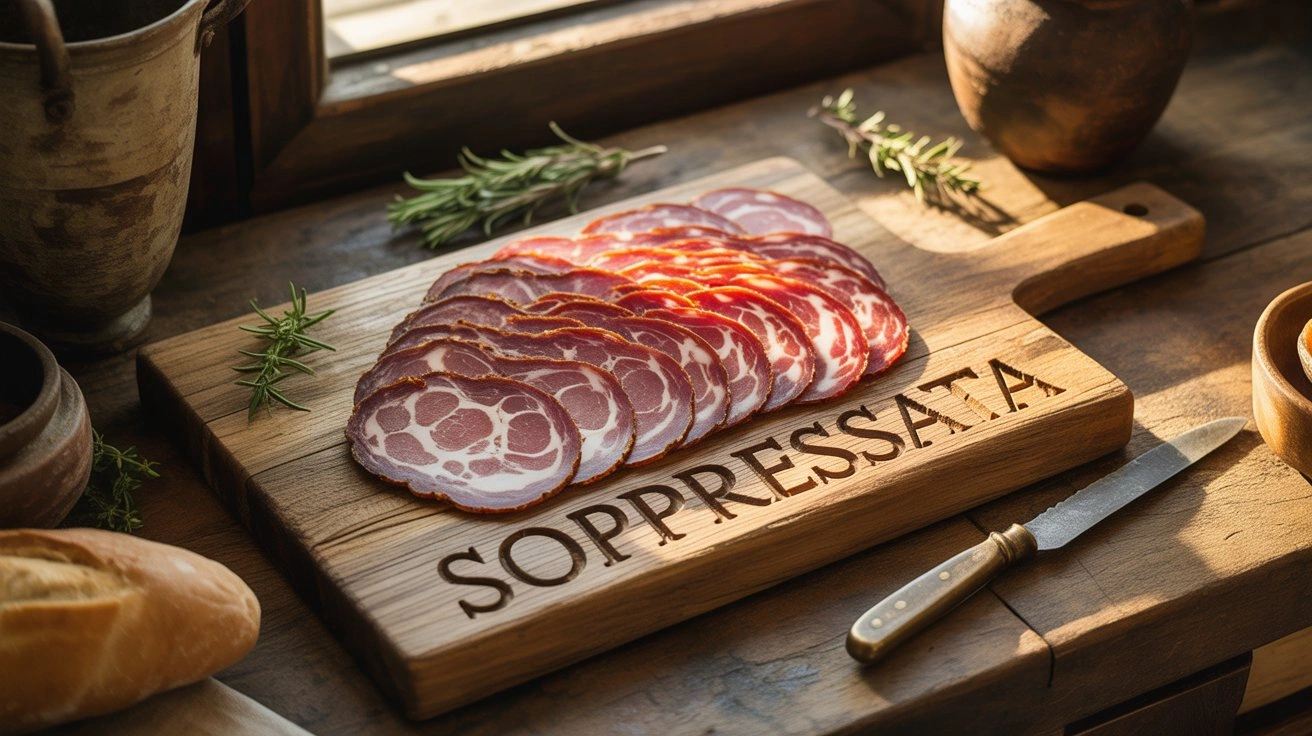
Soppressata: 7 Delicious Reasons This Rustic Italian Classic Still Shines
Few foods capture rural Italian tradition quite like Soppressata. Known for its rustic character and bold flavor, this cherished cured meat has traveled from humble village kitchens to gourmet tables around the world. Whether you’re building a charcuterie board, exploring regional specialties, or simply curious about its heritage, this detailed guide reveals everything that makes it extraordinary.
As food lovers seek authenticity, this old-world creation continues to rise in popularity. Its coarse cut, slow aging, and handcrafted charm make it timeless. In this long-form guide, you’ll discover its origins, preparation, benefits, challenges, culinary uses, and proper ways to enjoy and store it at home.
Soppressata Meaning and Culinary Importance
This traditional Italian cured meat comes from coarsely chopped pork that is seasoned, pressed, and slowly dried. The name reflects the unique step of pressing the meat mixture to form a distinctive shape.
Its importance isn’t rooted only in taste. It represents survival, craftsmanship, and family heritage. In many communities, it was the most treasured product of winter curing season, often shared during celebrations or saved for important guests.
Understanding Soppressata in Italian Heritage
Long before it became an artisanal specialty, this cured delicacy was a necessity. Families transformed pork into a long-lasting food source using salt, spices, and time. Every village developed its own variation, influenced by climate and culture.
Generations passed down recipes through quiet kitchen conversations. For many, this cured meat still symbolizes identity, memory, and gratitude for the land and its gifts.
Traditional Craft of Making Soppressata
The traditional craft has changed little over the years. It follows clear and simple steps:
- Cutting the meat: Shoulder or ham trimmings are chopped into coarse pieces.
- Seasoning: Salt, pepper, and optional garlic or chili are blended in.
- Stuffing: The mixture is packed into natural casings by hand.
- Pressing: The salami is flattened between boards or under weights.
- Drying: It hangs for weeks or months as flavors intensify.
This slow method creates depth that machines and shortcuts can’t replicate.
Main Ingredients Used in Soppressata
Traditional recipes keep ingredients minimal:
- Pork shoulder or ham scraps
- Firm fatback
- Salt
- Black pepper
- Optional spices such as chili or fennel
- Natural casings
The simplicity allows the natural taste of the pork and spices to shine through.
Regional Styles of Soppressata Across Italy
Just as landscapes change between northern mountains and southern coastlines, regional expressions of this cured meat vary greatly:
Calabria: Known for spicy versions with fiery red pepper.
Basilicata: Balanced seasoning with deep, meaty notes.
Puglia: Often milder and slightly sweeter.
Tuscany: Sometimes incorporates head meat, giving a richer, rustic bite.
Veneto: Features softer textures and delicate seasoning.
Each region proudly preserves its own identity through local variations.
Taste Profile and Texture of Soppressata
Expect a full-bodied, savory flavor that’s both bold and balanced. Its coarse grind creates an uneven, chewy texture that stands out from uniform commercial salamis. Depending on spices, it may carry gentle heat or a warm, earthy aroma.
Why Soppressata Stands Out Among Cured Meats
Its charm lies in authenticity. Many cured meats are shaped by machines, producing identical texture and color. This one is handmade, irregular, rustic, and rich with personality. Every slice reflects craftsmanship and tradition.
It bridges everyday cooking and gourmet dining effortlessly, making it appealing to both casual food lovers and serious culinary enthusiasts.
Nutritional Characteristics of Soppressata
This cured meat is nutrient-dense, offering:
- Protein
- Calorie-rich fat
- Vitamins naturally present in pork
Because it’s salted and cured, moderation is wise, especially for people monitoring sodium intake.
Benefits of Enjoying Soppressata
Several benefits make it a favorite:
- Deep flavor: Adds more character than many other cured meats.
- Versatility: Suitable for cold and warm dishes.
- Cultural value: Connects people to Italian heritage.
- Longevity: Stores well when properly cared for.
Even a small portion enhances appetizers, meals, and gatherings.
Possible Challenges When Eating Soppressata
Although delicious, there are considerations:
- High sodium levels
- Elevated fat content
- Unsuitable for some dietary restrictions
- Needs cool, proper storage
- Should be sourced from trusted makers
For those with heart issues or low-salt diets, portion control is essential.
Soppressata in Modern Cooking
Contemporary kitchens embrace this cured meat for its ability to add instant richness. Chefs use it in rustic dishes, brunch plates, fusion recipes, and more. Its natural fat and spices effortlessly elevate simple ingredients or neutral bases.
Creative Ways to Serve Soppressata
Pair it with:
- Soft cheeses
- Crusty bread
- Fresh olives
- Honey or figs
These combinations showcase contrast and complexity without overpowering the palate.
Soppressata in Sandwiches and Panini
A few slices create unforgettable sandwiches. Pair it with provolone, arugula, roasted peppers, or olive spread. In panini, its fat warms and melts, creating deep, savory layers that enrich every bite.
How to Pair Soppressata with Wine and Cheese
Medium-bodied red wines like Chianti, Sangiovese, and Barbera complement its flavor beautifully. It also works well with aged provolone, burrata, or mild goat cheeses. The goal is balance — neither the cheese nor the cured meat should dominate.
Cooking With Soppressata for Extra Depth
Add chopped pieces to:
- Tomato-based sauces
- Pasta dishes
- Stuffed vegetables
- Stews or soups
Its fat melts slightly, imbuing dishes with warm, savory notes that feel comforting and satisfying.
How to Slice and Prepare Soppressata Correctly
Thin slices are ideal. Allow it to warm to room temperature before serving so its aroma and texture fully open up. A sharp knife makes clean, even cuts that preserve its structure.
Storing Soppressata Safely at Home
Storage is key to maintaining quality:
- Keep whole pieces in a cool, dry area.
- Wrap slices in parchment, not plastic.
- Refrigerate after cutting.
- Avoid moisture buildup.
Proper storage prevents mold and protects flavor.
Buying High-Quality Soppressata
Look for:
- A firm feel
- Natural casings
- Balanced fat marbling
- Absence of bright artificial color
- Simple, traditional ingredient lists
Artisan makers usually offer the best quality and consistency.
Homemade Soppressata Overview
Home preparation requires patience and attention. A cool curing environment, clean tools, and precise timing are essential. While challenging for beginners, creating your own batch can be deeply rewarding and personal.
Soppressata in Seasonal Celebrations
For many families, this delicacy appears during holidays, large dinners, and community gatherings. Sharing it with guests is a gesture of generosity and pride, symbolizing hospitality and heritage.
Soppressata in Global Food Trends
With the rise of authentic, small-batch foods, this traditional cured meat now appears in farm-to-table restaurants, wine bars, craft markets, and gourmet shops worldwide. Its rustic charm fits perfectly into modern culinary appreciation.
Soppressata vs. Pepperoni and Salami
Compared with pepperoni, it’s less processed, more rustic, and much deeper in flavor. Unlike typical salami, it has a coarser grind, a flattened shape, and a more artisanal profile. Each slice feels handcrafted rather than factory-made.
Is Soppressata Healthy to Eat?
It can be enjoyed in a balanced diet when consumed in moderation. Pairing it with vegetables, fruits, and whole grains helps offset its richness. Its intense flavor means even a small amount adds satisfaction.
Frequently Asked Questions About Soppressata
What sets this cured meat apart from regular salami?
Its coarse texture and pressed shape make it unique.
Is it always spicy?
Not always. Heat levels vary by region.
How should it be stored?
Wrap in parchment and refrigerate after slicing.
Can it be cooked?
Yes — it enriches sauces, pizzas, and pasta dishes.
How thin should slices be?
Thin slices offer the best flavor release.
Does it pair well with wine?
Medium-bodied reds are ideal companions.
Conclusion
This remarkable cured meat remains a delicious bridge between past and present. Its rustic texture, deep flavor, and meaningful heritage make it a standout on any table. Whether enjoyed cold, incorporated into a warm dish, or shared during a celebration, it delivers authenticity and character in every slice.