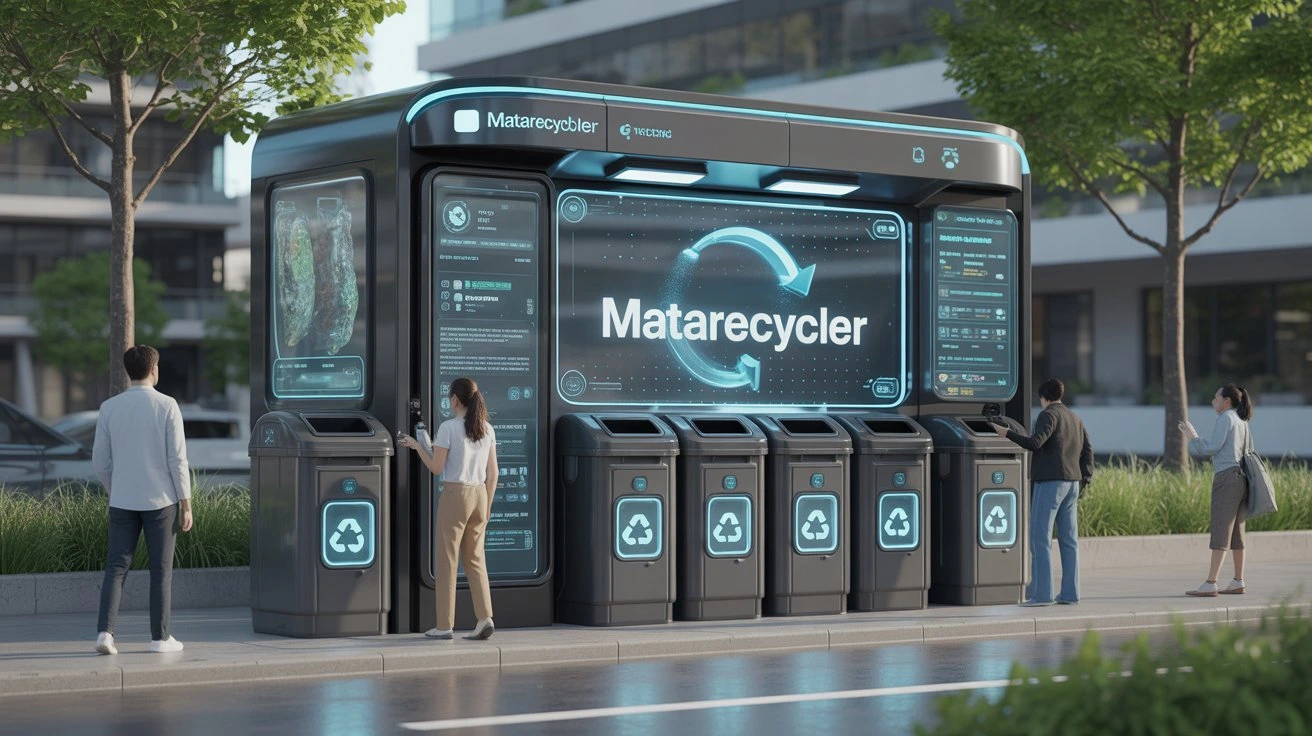
MataRecycler: Smart Recycling for a Greener Tomorrow
Recycling has always been necessary, but never has it felt as urgent as it does today. With cities expanding, waste piling up, and environmental concerns rising, people everywhere are searching for better, cleaner, and smarter waste-management solutions. That’s exactly where MataRecycler comes in.
Leveraging intelligent sensors, automation, AI-driven sorting, and real-time analytics, MataRecycler elevates the recycling process into something far more efficient — and far more impactful. Instead of leaving recycling to chance, it creates a guided, automated, and data-driven system that improves accuracy, reduces contamination, and inspires community participation.
This article breaks down everything you need to know about MataRecycler: its technology, benefits, challenges, real-world results, and future potential.
Understanding MataRecycler
MataRecycler is a next-generation recycling ecosystem built on the idea that smart technology can drastically improve how recyclable materials are collected, sorted, monitored, and reused. Instead of relying on manual sorting lines or outdated containers, MataRecycler uses:
- AI recognition
- IoT-enabled smart bins
- Real-time data analytics
- Automation
Together, these elements create a closed-loop recycling model where materials can be efficiently recaptured and returned to the circular economy.
What makes MataRecycler different is its focus on efficiency and transparency. Every step — from depositing recyclables to tracking environmental impact — becomes measurable and optimized.
How MataRecycler Works
Smart Bins with Intelligent Sensors
At the heart of the system are smart bins equipped with high-precision sensors and cameras. These devices instantly recognize the material type placed inside them by analyzing its shape, texture, and density. The bins also monitor:
- Fill levels
- Incorrect waste mixing
- User patterns
This allows waste-collection teams to streamline routes and avoid unnecessary pickups.
AI-Powered Sorting Lines
After collection, recyclables pass through MataRecycler’s automated sorting system. Using trained machine-learning models, the system identifies plastics, metals, paper, glass, and other recyclable categories with remarkable accuracy. The AI can detect even small variations in materials that traditional sorting lines often miss.
Cloud Analytics and Reporting
All recycling data is stored in a cloud-based dashboard. Stakeholders — whether cities or corporations — can see:
- Recycling rates
- Contamination levels
- Carbon savings
- User participation trends
This data makes it easier to create sustainability strategies and meet ESG goals.
Circular Economy Integration
Once sorted and cleaned, materials are prepared for reuse. MataRecycler emphasizes closing the loop by helping ensure that recyclables are fed back into manufacturing streams.
User Incentive Programs
One standout feature is its rewards system. When people deposit recyclables correctly, they earn points or credits through an app. This keeps participation high and turns recycling into a habit rather than an afterthought.
Benefits of Using MataRecycler
Higher Efficiency with Less Manual Sorting
Traditional sorting systems require extensive human labor and are prone to misclassification. MataRecycler speeds up the process while reducing operational costs.
Cleaner Recyclable Streams
Incorrect disposal is one of the biggest hurdles in recycling. MataRecycler reduces contamination significantly through automated identification, meaning more materials can be reused rather than discarded.
Accurate Reporting and Transparency
Businesses and municipalities can track the environmental impact of every item processed. This not only promotes internal accountability but also strengthens public trust.
Long-Term Cost Reduction
Although initial installation requires investment, savings in labor, transportation, and processing add up quickly.
Higher Community Engagement
People love systems that give feedback and rewards. MataRecycler’s app motivates users to recycle more and understand the impact of their actions. It turns recycling from a chore into a meaningful part of daily life.
Strong Sustainability Outcomes
With cleaner sorting, optimized transportation, and improved material recovery, MataRecycler plays an important role in reducing carbon emissions and promoting a circular economy.
Challenges MataRecycler Faces
Every innovative system faces a few challenges, and MataRecycler is no exception.
High Initial Setup Costs
Smart bins, sensors, and automated lines require investment. Smaller towns or businesses may struggle with the upfront expenses, even if long-term savings are substantial.
Technical Maintenance Requirements
The system relies heavily on digital components that require periodic calibration, updates, and cleaning. Without proper upkeep, accuracy can decline.
Integration with Older Systems
Many regions have outdated waste-management setups. Integrating advanced smart systems can sometimes require additional restructuring.
User Awareness and Training
People need to understand how the bins work and how to sort correctly. Changing old habits can take time.
Data Privacy Concerns
Since MataRecycler relies on data analytics, privacy policies must be clear and secure. Transparency is essential to maintaining trust.
Real-World Examples and Impact
City-Level Adoption
Mid-sized cities that adopted MataRecycler saw impressive improvements. In several cases, recycling rates increased by more than a quarter within the first six months, while contamination levels fell sharply.
Retail Chains and Corporate Use
Large companies have implemented MataRecycler to improve ESG performance and reduce waste-management expenses. Many reported substantial savings and better internal sorting behaviors across teams.
Schools and Youth Programs
Schools using MataRecycler have seen students become enthusiastic recyclers. Interactive dashboards allow children to track progress, making sustainability education fun and practical.
Large Urban Areas
In some major cities, smart bins equipped with MataRecycler technology have helped reduce landfill contributions and optimize fuel usage for waste-collection trucks.
Step-by-Step Guide to Implementing MataRecycler
1: Assess Current Waste Generation
Begin by analyzing the type and volume of waste your organization or city produces. This helps determine the number of smart bins and sorting equipment needed.
2: Start a Controlled Pilot Program
Before full implementation, launch a pilot in select locations. This provides real-time results and helps decision-makers evaluate ROI.
3: Train Staff and Educate Users
Host workshops and launch communication campaigns. Explain how MataRecycler works, what the benefits are, and how users can participate effectively.
4: Integrate with Transportation and Collection Services
The system’s alerts and analytics should work seamlessly with waste-collection routes. This reduces fuel usage and increases route efficiency.
5: Set Up the Sorting and Processing System
Install necessary AI sorting equipment or partner with local facilities. Regularly test and calibrate components.
6: Monitor Data and Optimize Operations
Use the dashboard to track performance metrics. Adjust collection schedules, refine sorting rules, and improve user instructions based on real-time feedback.
7: Scale the System
Once results are positive, roll out smart bins and sorting tools to other regions, buildings, or departments.
8: Maintain, Update, and Improve
Schedule technical maintenance, review user feedback, and keep improving the system with new features and community programs.
Future Outlook for MataRecycler
MataRecycler is likely to play a major role in the future of sustainable tech. Expected developments include:
- More advanced AI that identifies materials instantly
- Predictive analytics for waste-generation forecasting
- Smart composting integration
- Wider global deployment
- Stronger partnerships with manufacturers and cities
- Enhanced user-reward systems
- Integration with carbon-offset networks
The world is moving toward smarter cities, and MataRecycler fits perfectly into that vision.
Frequently Asked Questions
What is MataRecycler used for?
MataRecycler is designed to improve recycling accuracy, automate sorting, and provide data insights that help reduce waste and promote sustainability.
Can MataRecycler reduce contamination?
Yes. Its AI-powered recognition system significantly decreases incorrect sorting, resulting in cleaner recyclable streams.
Is it suitable for small communities?
Absolutely. MataRecycler can scale from small campuses to entire cities. Even a handful of smart bins can demonstrate strong results.
Does it require an internet connection?
Most features rely on cloud analytics, so consistent connectivity ensures smoother operation.
How does MataRecycler motivate users?
It uses rewards, environmental impact tracking, and mobile notifications to encourage correct recycling habits.
Is MataRecycler expensive to maintain?
Maintenance requires some technical oversight, but long-term savings from greater efficiency usually outweigh the costs.
Conclusion
MataRecycler stands as a powerful solution in a world where sustainability can no longer be optional. By blending AI accuracy, user-friendly smart bins, and meaningful data insights, it redefines how recycling should work. Although initial costs and training requirements exist, the long-term benefits — cleaner cities, reduced waste, improved sustainability reporting, and engaged communities — make it a forward-thinking investment.
As more people and organizations adopt smarter recycling systems like MataRecycler, the path toward a greener and more responsible future becomes clearer and more achievable.